What If Refugee Camps Became Regenerative?
Tina Teucher of Generation Restoration on poly-solutions, the capital of hope, and why the biggest crisis of our time might also be the biggest opportunity.

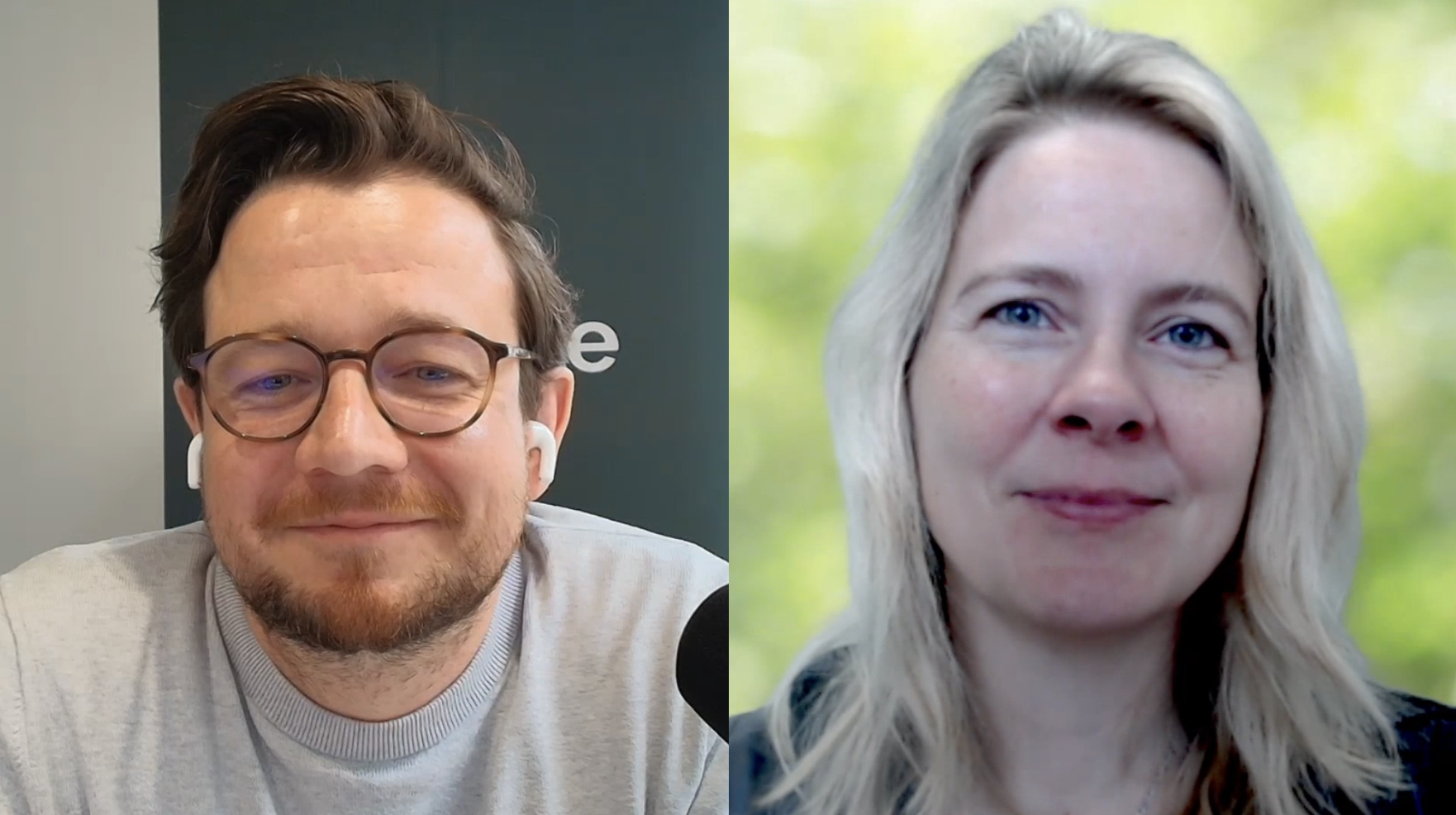
Poly-Solutions for Poly-Crises: A Conversation With Tina Teucher
Here's a number that should stop you in your tracks: 75 percent of the world's land surfaces are degraded. That costs us over 230 billion dollars a year in lost productivity. And by 2050, the IPCC estimates that a third of humanity may need to relocate because of climate change. Now here's another number: the UN calculates that ecosystem restoration could regenerate two billion hectares of land by 2030 and generate nine trillion dollars in ecosystem services. The return on investment is ten to one.
Tina Teucher knows both sets of numbers. She's spent the last decade writing about sustainability, advising companies, and moderating conferences. But in 2021, she stopped observing and started building. She co-founded Generation Restoration — a nonprofit that describes itself as a club for applied utopian thinking and action.
Listen to the full episode here! 👉 Spotify | Apple
Subscribe to our newsletter! 👉 Subscribe Now!
Get more conversations, tools and stories for impact founders straight to your inbox.
From Observation to Action
The turning point came when Tina encountered organizations working in refugee camps that were doing something unexpected: instead of accepting the cycle of dependency, displacement, and degradation, they were reversing it. Refugees were growing food through permaculture, producing biochar to sequester carbon and improve soil fertility, and building local economies from scratch. The insight was simple but powerful: the world's biggest humanitarian crisis and its biggest environmental crisis aren't separate problems. They're the same system. And the people living at the intersection - refugees - aren't just victims. They're potential agents of regeneration.
What Generation Restoration Actually Does
Generation Restoration works with grassroots organizations inside refugee camps — primarily in Uganda's Nakivale camp, one of Africa's oldest, with over 200,000 residents. The approach isn't top-down. It's training of trainers: local organizations led by refugees themselves learn regenerative techniques and pass them on. The practical applications range from permaculture farming that replaces imported, genetically modified food with locally grown nutrition, to composting toilets that turn waste into fertilizer, to biochar production that sequesters CO₂ while making soil dramatically more fertile.
And here's where it gets really interesting: Generation Restoration is now bringing refugees to the international carbon market. By certifying biochar-based carbon removal through Carbon Standard International, they're selling high-quality carbon credits to German companies — credits that carry social co-benefits alongside the climate impact. It's not charity. It's a revenue model that replaces dependency with entrepreneurship.

The Metric That's Broken
One of the most striking moments in our conversation was Tina's critique of how humanitarian organizations measure success. The standard metric is "people under management" — how many people are you helping right now? But that incentivizes keeping people dependent, not helping them become self-sufficient. An organization that helps a thousand people out of poverty looks worse on paper than one that manages ten thousand in perpetual need.
Tina wants to flip that metric. Not how many people do you serve, but how many people have you helped become independent? It's a fundamental challenge to how the entire humanitarian sector operates — and it's the same kind of measurement challenge that Inluma is built to address in the impact startup world.

Poly-Solutions for Poly-Crises
The thread running through everything Tina does is her refusal to accept that problems should be solved one at a time. She calls it poly-solutions for poly-crises: if the world faces interconnected crises - climate, displacement, poverty, biodiversity loss - then the solutions need to be interconnected too. That's why she founded rather than continued to advise. Generation Restoration touches all 17 SDGs simultaneously - not through cherry-picking, but because regenerative approaches in refugee settings inherently address food security, clean energy, climate action, ecosystem health, economic development, and human dignity at the same time.
The organization's own goal? To become unnecessary by 2040. As Tina puts it: like nature, structures should serve their purpose and then make way for what comes next.
Listen to the full episode here! 👉 Spotify | Apple
Join our community for insights, events, and new episodes. 👉 Follow us Now!