Two Friends, One Mission, and the Social Sector’s Biggest Blindspot
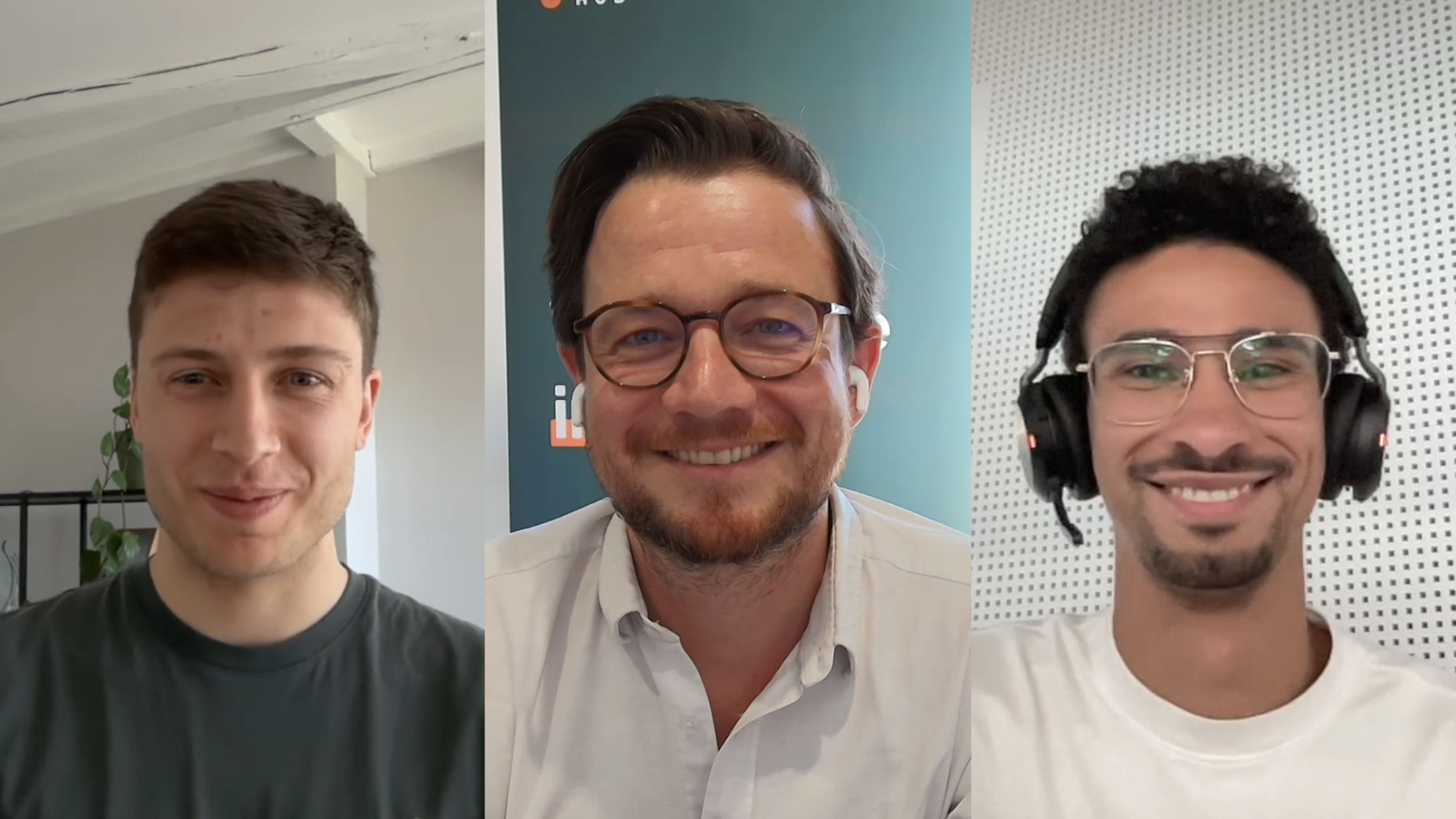
Moritz Hall and Jade Dyett of VoluLink on digitizing the social sector, surviving early rejection, and why a million hours of IT expertise might be the most impactful goal for thousands in the social sector.

Digitizing the Social Sector: A Conversation With Moritz Hall & Jade Dyett
Here’s a reality check most people outside the social sector never see: the organizations doing the hardest work in society - homeless shelters, refugee services, youth programs - are running on email chains, paper forms, and spreadsheets held together by sheer willpower. Not because they don’t want to digitize. Because they can’t afford to.
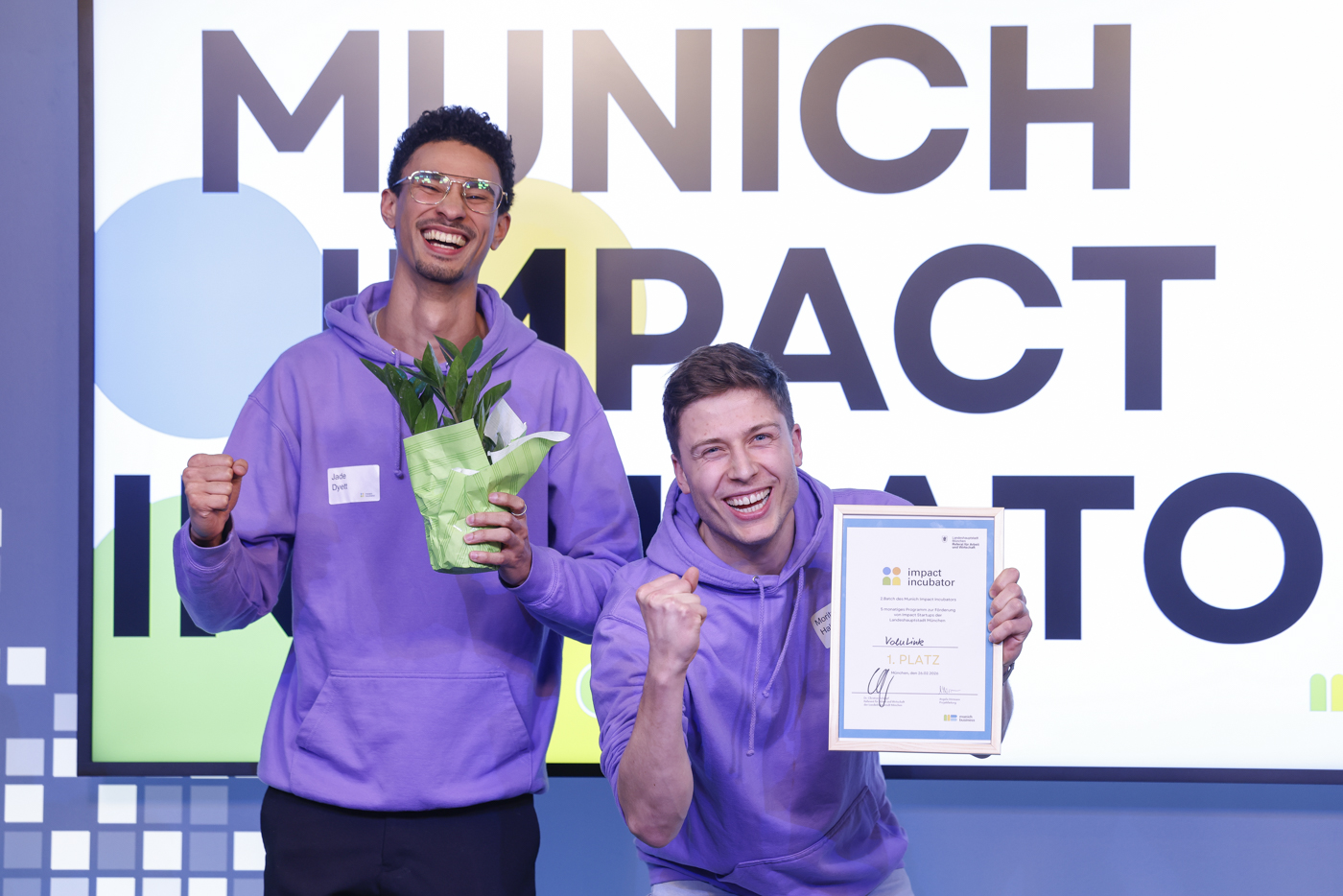
Moritz Hall and Jade Dyett saw this gap from both sides. As business informatics students in Regensburg, they spent their days learning about digital transformation. In their spare time, they volunteered at local nonprofits, and found a different world entirely. The discrepancy was staggering.
Listen to the full episode here! 👉 Spotify | Apple
Subscribe to our newsletter! 👉 Subscribe Now!
Get more conversations, tools and stories for impact founders straight to your inbox.
The Spark from Sydney
The founding idea came from an unexpected place. During a semester abroad in Australia, Moritz encountered Pledge 1%, an initiative where companies donate one percent of their profits, products, or employee time to good causes. Back in Regensburg, he pitched the concept to Jade: what if they could channel IT expertise from universities and companies into the organizations that need it most? They started small, a university business competition, a handful of projects. Then came the first real test. At an early startup competition, a mentor looked at their business plan and told them bluntly: stop. They told them that this idea is not worth following any further. But rather than let this get them down, it motivated them to reevaluate and optimize their business model.
How It Works
VoluLink’s model is a three-sided system. They partner with university computer science departments to place students in real digitization projects at social organizations. The students get practical experience with impact, the professors get engaging, real-world course content, and the nonprofits get the IT help they could never afford - website development, cloud migration, AI chatbots, process automation. But it doesn’t stop at the student project. VoluLink runs workshops and needs assessments before each project starts, and provides follow-up support after it ends to make sure the solutions actually stick. Their success rate speaks for itself: 90 percent of their matches result in completed, functioning projects.
They’ve now delivered over 30 digitization projects - and they’re transitioning from a purely university-based model to becoming a full IT service provider for the social sector, including piloting software to automate grant administration - a pain point they discovered in virtually every organization they assessed.
GmbH, Not gGmbH
One of the most candid parts of our conversation was about legal form. VoluLink is a GmbH - not a nonprofit. The reasoning: they want to scale big, potentially bring on investors, and expand beyond Germany. The nonprofit structure, while offering tax advantages, would have limited their growth options. As Moritz puts it: nothing stops a GmbH from creating positive impact. You just don’t get the „g“ in front of your name.
It’s a trade-off many impact founders face, and one they thought about for a long time before deciding.
Amazon, Dell, and the Power of Networks
From a rejected business plan to partnerships with Amazon and Dell - that’s a journey worth hearing in full. Both companies now sponsor VoluLink’s projects, providing pro bono mentoring where corporate engineers guide student teams through real development work. It’s employer branding for the companies, world-class mentorship for the students, and better outcomes for the nonprofits. Everyone wins.
These partnerships didn’t happen overnight. They came through the networks VoluLink built - including through their BMBF funding, the Social Entrepreneurship Akademie in Munich, and the SEND network.

A Million Hours
VoluLink’s vision is to bring one million hours of IT expertise into the social sector. They’re honest that they’re still early. But the conviction is real: as Germany debates the future of its social infrastructure, digitization isn’t a nice-to-have, it’s what will determine whether thousands of social organizations survive the next decade.
Listen to the full episode here! 👉 Spotify | Apple
Join our community for insights, events, and new episodes. 👉 Follow us Now!