A Designer Who Decided to Redesign Education
Franziska Schmid of mycelia.education on why she walked away from her growing company, what a new currency for learning could look like, and why education needs infrastructure, not more projects.

Redesigning Education: A Conversation With Franziska Schmid
Franziska Schmid stumbled into product design. After dropping out of her first degree in English and Geography, she discovered Integrated Product Design through a friend, a small program with just 26 students per semester at FH Coburg. She describes it as the best education she could have received: frustration tolerance, self-efficacy, working with head, heart, and hands. Skills that today we’d call Future Skills, she learned them in a design studio.
Then came a Fulbright scholarship to the US, where she discovered Service Design, the idea that everything is design. Not just products, but services, interactions, laws, systems. How something feels to the person using it matters as much as what it does. That thinking would eventually lead her to redesign something much bigger than a product.
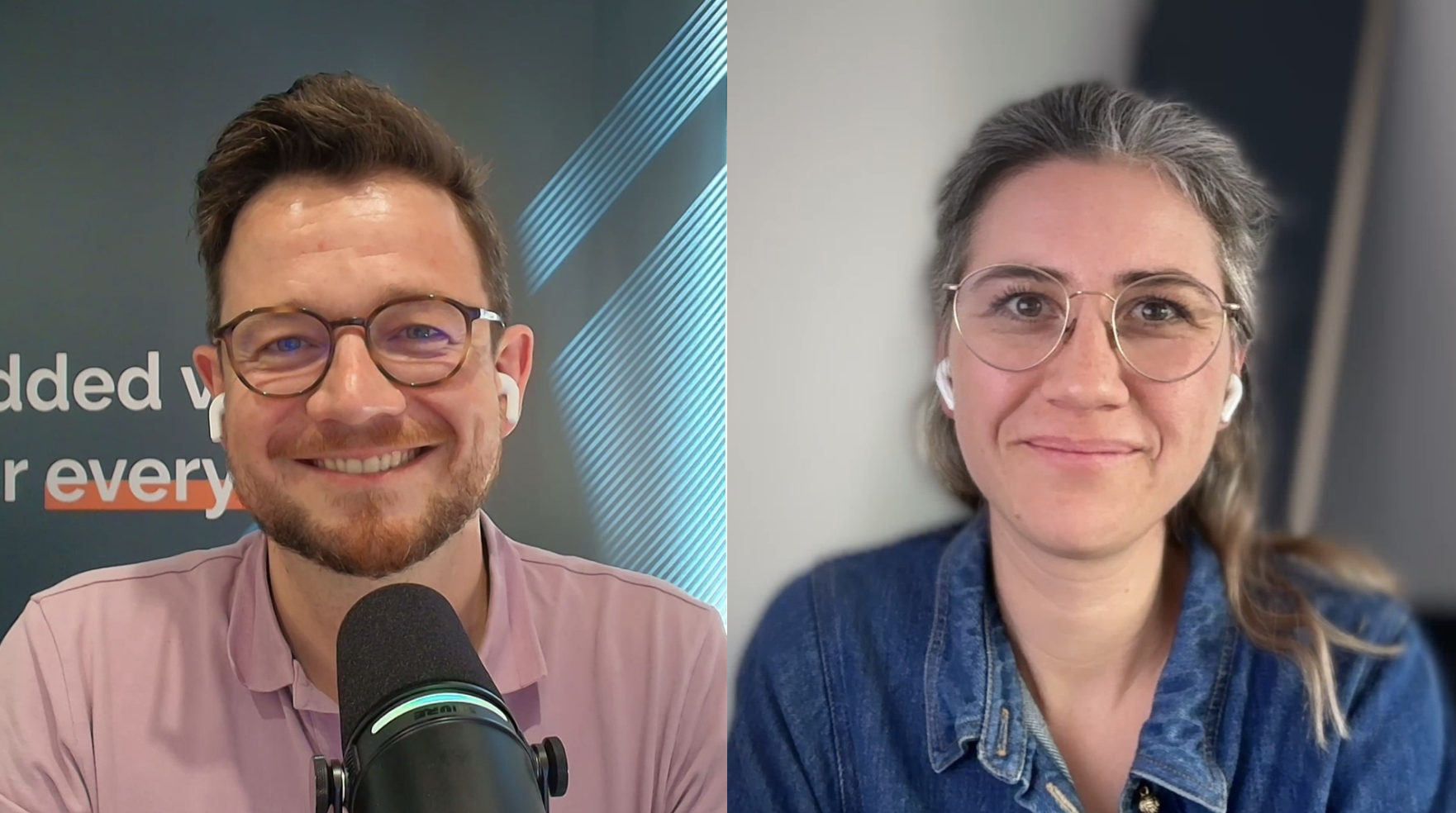
Listen to the full episode here! 👉 Spotify | Apple
Subscribe to our newsletter! 👉 Subscribe Now!
Get more conversations, tools and stories for impact founders straight to your inbox.
A Weekend Workshop That Became a Company
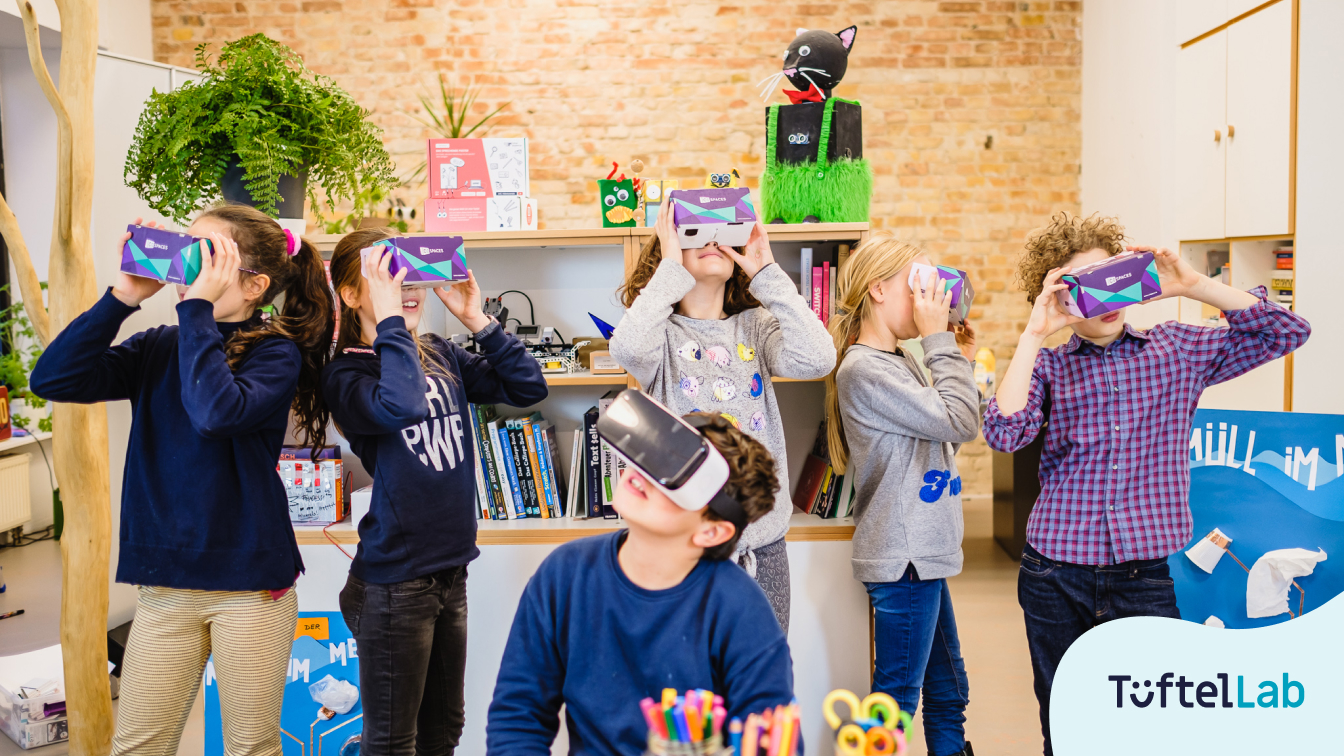
In 2016, Franziska and her co-founder Julia Kleeberger were working at an innovation agency in Berlin. Out of personal curiosity, they ran a weekend workshop teaching kids to code through making, Arduino boards, Calliope microcontrollers, Scratch programming. They set up themed stations where children built “superheroes with superpowers” by learning to code.
The response was immediate. Parents asked: when is the next one? Can we come back? Within months, it was clear they’d tapped into something much bigger than a weekend project. That was the beginning of Junge Tüftler - TüftelLabs where kids and young people learn through doing, building, and experimenting. Neither Franziska nor Julia had a pedagogical background. They came at education as designers: what should this feel like? What experience are we creating?
40 People and a Decision
By 2023, Junge Tüftler had grown to 40 employees. TüftelLabs running workshops across Germany, a DriftLab helping schools build their own makerspaces, national recognition. And then Franziska and Julia made a decision most founders never make: they handed the company to a new leadership team and stepped back to the role of shareholders.
Not because it was failing. Because Franziska realized something that took years of working inside the education system to see. Germany has hundreds of incredible education initiatives - TüftelLabs, Hacker Schools, coding workshops, climate programs. But they all build their own platforms, their own evaluation systems, their own certificates. What’s missing isn’t another project. It’s the infrastructure that connects them.
mycelia: Building the Layer Underneath
That’s what mycelia.education is. Founded in 2023 with a team of eleven, it’s a nonprofit research and development institute, named after the underground fungal network that connects entire ecosystems. mycelia wants to do for education what mycelium does for forests: create the invisible connections that make everything above ground stronger. The flagship product is Open Educational Badges - digital competency credentials built on European standards. The idea is simple but potentially transformative: if you do a coding workshop at Hacker School and then a sustainability program at TüftelLab, right now those exist as separate certificates that don’t talk to each other. With badges, they become part of one interoperable profile, a living record of what you can actually do, regardless of where you learned it.
Franziska calls it a new currency for education. In school, you have grades. Outside of school, there’s been nothing. Badges change that, and because they’re built on open standards, any education provider can issue them. The system thinks from the learner’s perspective, not the institution’s. It can even suggest career paths based on your accumulated competencies.

Two Companies, One Mission
mycelia is a gGmbH. But Franziska and Julia also run Form21, a for-profit GmbH founded back in 2017 during the Junge Tüftler days. Form21 handles corporate AI training, automation consulting for SMEs, and the kind of work that started when companies saw the TüftelLab workshops and said: can you do this for our employees too? It’s a structure that many social enterprises in Germany use but rarely discuss openly. The nonprofit does the mission work. The for-profit generates commercial revenue. And the two entities complement each other, the for-profit can even donate back to the nonprofit.
Franziska is candid about the tension. Her funder required a business case from the start, which she sees as healthy pressure. If people will pay for your product, it’s a real signal that it creates value. Living from grant to grant can work, but it doesn’t always prove demand. At the same time, she’s clear-eyed about impact investing: every conversation she’s had with investors has come with a fundamental tension between maximizing financial returns and staying true to the mission.
Why This Matters
The education innovation landscape in Germany is full of brilliant projects and shrinking funding. The BMBF cuts to „Demokratie leben“ are just the latest example of what happens when social organizations depend entirely on public grants that can disappear with a policy change. mycelia’s bet is different: build infrastructure that any provider can use, prove it has market value, and create something that outlasts any single funding cycle.
It’s a very different kind of impact story. Not a founder scaling a product, but a designer stepping back from the thing she built to construct something beneath it - the invisible network that could make the whole ecosystem stronger. If you care about how education changes in Germany, this conversation is worth your time.
Listen to the full episode here! 👉 Spotify | Apple
Join our community for insights, events, and new episodes. 👉 Follow us Now!